Posted by VC Peet on Mon, Jan 30, 2012
As we slowly move into Spring, I get ever more anxious to start seeing the trees green up and the flowers bloom. I thought I still had months of waiting left, but it appears the trees have a different idea - i’ve already seen many trees with buds and flowers on my plants. I even remember seeing a cherry blossom flowering last December! It appears this phenomenon isn’t just for those in central Arkansas either as trees ranging from New York to Texas begin to get ready for Spring as mild weather takes hold. I'm certainly not complaing about the gorgeous weather we are having, but if a frost comes, these early trees may be damaged. Unfortunately, we can’t control the weather or control when these trees decide to bud, but we can help prevent the damage that might occur when the weather inevitably turns cold again.
Frost damage occurs when ice crystals form, drawing moisture from plant tissue causing dehydration. To keep your landscape looking beautiful and to prevent damage, keep plants well watered. Usually only what’s above ground will be affected by the frost and even if damage occurs, the tree may well recover. Prolonged sub-freezing temperatures or abnormally cold temperatures for your region might cause serious damage, however.
A detailed guide to caring for your plants can be found here.
Posted by VC Peet on Thu, Jan 19, 2012
What I look forward to most as winter comes to a slow end are the tiny bulbs that start popping up in my garden. As the weather finally warms, my garden goes from dull and dead to full of beautiful colors from the newly emerging flowers. If you’re lucky, you may see this color begin in very late winter, just as spring is upon us. Their colors may last throughout spring, but here is a list of some of the earliest spring bloomers.
Snowdrop (Galanthus) - Aptly named, these flowers are among the earliest to bloom and may even be seen pushing up through the snow! All snowdrops are perennial plants that grow from bulbs, but be careful not to confuse them with another, similar flower: the snowflake. Their dainty, bell-shaped flowers are beautiful, and they look best planted together in small groups. Plant in partial shade in well-drained soil with plenty of hummus.
Learn more - here.
Spring Snowflake (Leucojum vernum) - Native to southern Europe, the Spring Snowflake requires plenty of moisture throughout the year and prefers partial shade in the hotter climates. The elegant white flowers with tiny green dots on each petal are a welcome sight after a long winter. Like the snowdrops, this plant may return for years to come with very little care and look great in groups. Plant about 3 or 4 inches deep about 8 to 10 inches apart.
Learn more - here.
Iris (Iris) - Showy blooms in a wide variety of colors make these some of the most popular flowers for early Spring color. The earliest bloomers are the blue and purple Reticulata. Plant irises in partial shade if you expect very hot summers, or full sun if you get a relatively mild summer. They prefer well drained soil and grow best on a slope or in a raised bed. Make sure you don't plant your iris too deeply, keeping the top of the rhizome exposed and the roots facing downward.
Learn more - here.
Daffodil (Narcissus) - Pretty and delicate, these popular plants are now available in a variety of different types, including miniature form and with so-called double flowers. After a long, cold winter, these bright and cheery flowers of gold and white add a nice pop of color to your garden. They also tend to be tall, making them easy to spot in your garden.
Learn more - here.
Crocus (Crocus) - Considered by many to be the first bulb of spring, this flamboyant flower tends to bloom in late winter or early spring. About 30 of the 80 or so known species are cultivated, where they grow wild in Europe. Easy to grow and beautiful to look at, crocuses look best when planted in groups.
Learn more - here.
Tulips (Tulipa) - With so many varieties of tulips, you are sure to find a type perfect for your garden. These flowers are available in nearly every color and nearly every color combination, from yellow and orange to red and purple to white and dark blue - these flowers are certain to cheer you up after the winter. Plant taller varieties away from strong winds and keep well watered. With such a huge selection, you can easily mix and match varieties together.
Learn more - here.
Posted by VC Peet on Wed, Jan 04, 2012
Although winter is often described as dreary since most of our fauna have migrated, we do have a surprising number of birds that stay through the winter. When everything else seems to have died or otherwise left, these chirpy little fellows add a bit of life to an otherwise dull winter. Keeping the birds nearby is easy, simply provide them with some good food:
Black Oil Sunflower Seeds (Oil Seeds) - this variety is black and will attract almost any winter bird, including finches, chickadees, blue jays, cardinals and nuthatches. They tend to have higher oil content, thinner shells and larger seeds than the grey and white variety.
Suet - an excellent source of fat, suet can be bought at many retail stores and even come pre-mixed with peanut butter and seeds. Chickadees, woodpeckers and jays particularly enjoy suet.
Nyjer - a bit more pricey than other seeds (because it’s imported), nyjer is a favorite for finches. The seeds are very small, so you will need a thistle feeder or thistle sock. There is a slight problem with nyjer though - they can germinate and may get very soggy and nasty if they get wet.
Mixed Seed Bags - bags of bird seed are available just about anywhere, but make sure before you buy you get the best variety. Check the bag for fillers such as red milo, dyed seeds and red millet, which most birds will just toss out anyway (the bag may be cheaper, but a lot of it will get wasted!). If you prefer, you can also mix up your own seed.
More ideas on what to feed the birds include safflower, corn, millet and fresh fruit such as apple and orange slices. If you’re feeling particularly generous, you can even bake your birds some treats, such as homemade suet or bird donuts. Left over kitchen scraps are also suitable in small doses (so long as it’s not moldy or rotten), for more information click here
You might also want to keep fresh water available (either in a bird bath or flat bowl), but just remember to clean any feeders or bowls out regularly and keep them high enough so that other animals (like cats) can’t get to the birds. Keeping feeders near bushes and trees is also a good idea, since the birds will have shelter from hawks and falcons.
Posted by VC Peet on Tue, Dec 20, 2011
We hope everyone has a safe and fun-filled holiday season - from all of use at Fairway Lawns!
Posted by VC Peet on Sun, Dec 11, 2011
Many of us may receive plants for the holiday season (either wanted or not), and thankfully most of the plants you are likely to be given are not fussy and require only a little bit of attention here and there. Since it’s been nearly a year since we last had to worry about caring for these plants, here’s a little refresher course on some of the more popular plant gifts this season.
Christmas Cactus (Schlumbergera)
A rather unlikely plant for the holiday season, these colorful cacti originate in tropical rainforests, and unlike their desert cousins, prefer bright indirect sunlight (meaning an east or west facing window). Water when it becomes dry and keep in temperatures between 65 and 80 (although they are very adaptable, extreme high or low temperatures can damage the plant). If you’re looking for a low-maintenance plant this season, the Christmas Cactus is both long-lived and easily grown from cuttings. But be warned, they may not always bloom when you expect (such as around Christmas)!
- Interesting Fact - Unlike the more familiar desert versions, this cactus has no spines and is an epiphyte, meaning it grows on other plants in a non-parasitic way. There are also Thanksgiving and Easter cactus, all of which originate in Brazil.
Norfolk Pine (Araucaria heterophylla)
Suited especially for the indoors, this pine looks beautiful year round and makes a wonderfulliving Christmas tree. The Norfolk Pine prefers indirect lighting and cooler indoor temperatures. Water when the top inch of soil becomes dry, giving it enough to allow some excess to escape through the bottom. This pine requires minimal care and will be attractive for many years. Mist the tiny tree every week or so to keep foliage green and healthy.
- Interesting Fact - Although commonly known as the Norfolk Pine, this tree is not a real pine but a conifer. If given proper care and in the right environment, the Norfolk Pine can grow up to 200 feet tall.
Poinsettia (Euphorbia pulcherrima)
While the standard for this plant is green with red, Poinsettias are now available dyed invarious colors from blue to white or dipped in glitter and decorated with bows. Unfortunately, most just get tossed after the holidays are over. It’s true that this plant is very fussy, but with patience and dedication, you can get it to bloom for years to come.
Show off your Poinsettia in a well-lit place (such as a window) and try to keep the temperature below 70 degrees F (this prevents fading). For now, all you need to do is water it whenever it becomes slightly dried out and admire its beautiful colors.
- Interesting Fact - The Poinsettia is named after Joel Roberts Poinsett, who introduced the plant to the US in 1825. It is also known as Zack Wood, noche buena, Flor de Pascua and, to the ancient Aztecs, Cuitlaxochitl.
Christmas Pepper (Capsicum annuum)
This unusual plant is not particularly fond of the indoors, but if you keep the soil moist and give it some bright, direct sunlight, it can thrive. They prefer cooler temperatures and are great if you want a no-hassle plant after the fruit fall off - when the display is over, this annual is ready for the compost pile. You can also grow this one yourself as well from seed, making it a cheap way to have a pretty plant for the holidays.
- Interesting Fact - Originally from South American, the peppers on this plant are extremely hot, which can cause burning in the eyes or skin. Take care if you have pets or small children.
Posted by VC Peet on Mon, Dec 05, 2011
As temperatures around the state begin to drop, with lows in the upper 20s expected this week (and some of us even expecting snow!), it’s a perfect time to winterize your outside water faucets. Simply draining out any remaining water might not be enough, and any left over water might freeze, causing your pipes to crack and costing you money to repair.
The steps for winterizing your faucets are very simple and should take less than a half hour. You can find a great guide here - it also includes pictures and videos.
Now, for those of you who have an irrigation system or sprinkler system, it’s just slightly more involved. There are many great websites you can browse for information, but I like this article by John Deere or this one by Hunter Irrigation Industries. You can also watch two short videos here and here
Simple, right? And just in time too - freezing temperatures are expected early next week!
Posted by VC Peet on Sun, Dec 04, 2011
Crafting for the Holidays! What I love most about the holiday season are the wonderful smells, from a fresh cut Christmas tree to peppermint cookies and gingerbread men, nothing brings the holiday season more to life. What better way to bring the holiday season inside (or out!) than by crafting your own wreath - this fun idea will add beauty to your home and bring in that fresh pine scent, and it’s also a great craft to do with the family.
What can I use? There are many different types of greenery you can use for your wreath, most of which you may find in your backyard, such as pine boughs, magnolia leaves and box hedge stems. Holly, mountain laurel, ivy, fir, spruce....there are so many types to choose from! To add a decorative flair to your wreath, use pine cones, holly or other red berries, acorns, pecans or fruit.
What do I need? A few items you will need before you begin are: a clean working space (preferably in a garage or shed for easy clean up - we all know those pine needles can get everywhere!), wire wreath frame or two wire coat hangers, bows and/or ribbons and scissors.
Where do I start? If you feel crafty today or just want to try something new, Southern Living has a great article on making a magnolia wreath. If you don’t have a magnolia of your own, this very common tree might just be found in your neighbor's backyard (but it might be a goodidea to ask the owners before snapping off branches!).
If you are looking for something more traditional, you can try this article and make a wreath using pine or ferns. You can also watch a short video here or a slightly longer one here. For more information on the types of greens you can use, try this website. It's also great because it includes the different types of decorations you can use, how to keep your greenery fresh and some safety information for pets and children.
And that's it! If you decide to make your own wreath this holiday season, we'd love to see it!
Posted by G. Eckardt on Mon, Nov 21, 2011
As the Fall season rolls in with cooler temperatures the trees are dropping their leaves creating questions for many homeowners about caring for their lawns.
-
Is it best to remove the leaves from your lawn?
-
Can I mulch the leaves to fall into my lawn?
-
What are the steps I can take this Fall that put my lawn in a place to thrive coming into next Spring?
-
Based on the kind of grass I’m growing how will leaf removal affect my lawn?
These and more questions are addressed in the well written article linked below from the University of Arkansas, Division of Agriculture Turfgrass Science Program
Leaf Removal and Fall Lawn Care....
Happy Thanksgiving!
Posted by G. Eckardt on Thu, Sep 29, 2011
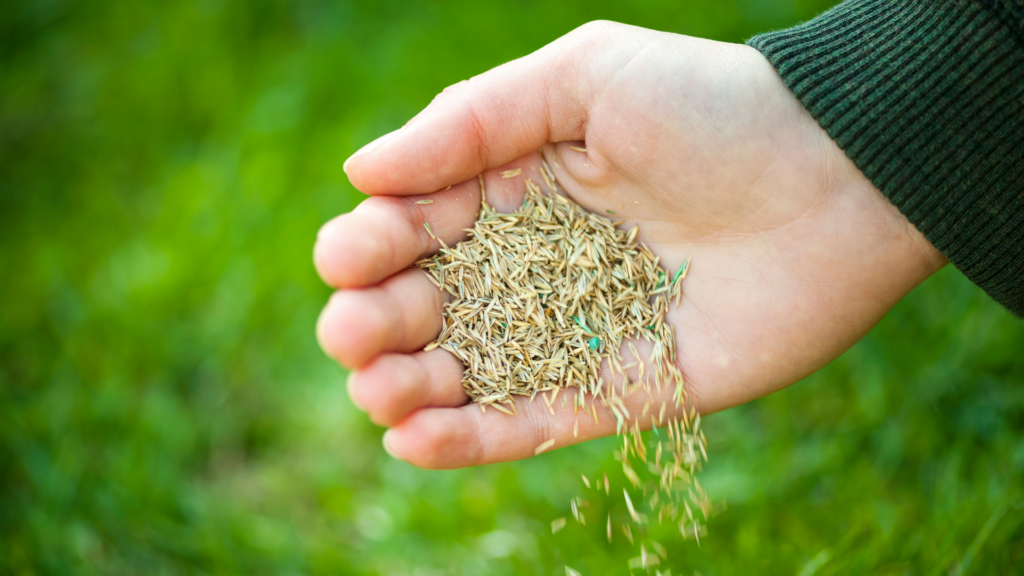
It's important to overseed the cool season grasses each fall, so whether it's bluegrass or fescue, make sure to lay down an even coat. These grasses don't spread the way warm season grasses do, so overseeding is a must. That way you'll produce a thick, healthy lawn in the fall. For pointers on successful overseeding, refer to our instructions on How to Overseed.
If you live in a particularly warm area, the hot summer months are likely to kill off fall grasses. That makes overseeding all the more important, so that the lawn will be preserved through the year. It also means that overseeding should be done between mid September and mid October. That way the grass will have the chance to develop a deeper root system before the summer months come around again. If you wait until spring, it's likely that summer will undo the work you've invested. Planting in the fall also allows you to use the spring for a round of preemergents to ward off the weeds.
The type of grass you pick is determined in part by your region. In order to pick out a grass appropriate to your area for your own overseeding, talk to a sod producer near you. Their experience will be key in helping you decide what is most likely to grow well for your lawn.
We offer fall aeration and overseeding in Tulsa, Memphis, Huntsville, AL, and Springdale, AR. Call us for a free estimate if you're not inclined to do your own overseeding.
The Overseeding Process
If you have us do your fall lawn aeration and overseeding, there are some key things we'll need your help with.
* Mow your lawn a couple of days before we come out. It will be a few weeks before you can mow it again in order to allow the new lawn time to strengthen.
* Heavily water your lawn for a couple of days before we arrive if it hasn't rained in a while. This will allow our aeration machine to work optimally.
* After we've gone, please keep the ground damp for about three weeks. Water one to three times a day for about five to ten minutes at a time in the areas that have been seeded. If there are high winds or excessive heat, please make sure to attend to this closely. Seeds that dry out won't germinate or grow. This process only needs to continue until you return to your normal course of lawn mowing and lawn care.
* The seeds will begin to germinate between a week and ten days after seeding. This process will continue until the following February.
* Keep the new lawn clear of leaves. Anything that covers the grass may shield it from water and sunlight, either of which can kill the grass.
* Keep the new lawn free from people and animals. It doesn't take much force to kill a young seed. Try to rope off the seeded area and warn friends and family to keep clear.
* Wait until the grass is two or two and a half inches high before resuming normal mowing. Try and be gentle so that the wheels of the mower don't dig up the seeds.
* Call us at 888-283-9770 or click here to contact us if you have any questions!
Posted by Kathy Wilder on Wed, Aug 17, 2011
The past several weeks have yielded some badly needed rain in Tulsa and Northwest Arkansas. Our brown, crunchy lawns have started to green up again, and the cooler weather has helped immensely. Unfortunately, the temperatures are going to soar into the hundreds again, but at least we got a little jump start on watering.
So how does this affect our lawns? They are beginning to recover!
A few quick points:
- If you gave up on watering and let your lawn go brown, this would be a good time to resume watering.
- If you skipped fertilizer because your lawn was brown, now is a great time to fertilize.
- It will take time for your lawn to recover from the heat and severe drought. Anything you can do to help it will speed up the recovery.
- Ideally, you want your lawn to fully recover and become thick and healthy before it goes into dormancy for the winter.
- If your lawn goes into winter dormancy all brown and drought-stressed, without water or nutrients, it will be more susceptible to winterkill.
Let’s hope the rain continues!
August 9, 2011 - this bermuda area had received no irrigation at all, although it had been fertilized.

August 17, 2011 - This is the same area today. Amazing what a little rain will do and amazing how resilient bermuda can be if you just give it water and fertilizer. (Note: fertilizer was applied a week or two before the August 9 picture was taken.)